Resources
Explore some of our work we have done over the years. Have a look at the resilience radar, some of the reports we produced, and a film we helped develop on disaster risk reduction in Myanmar.
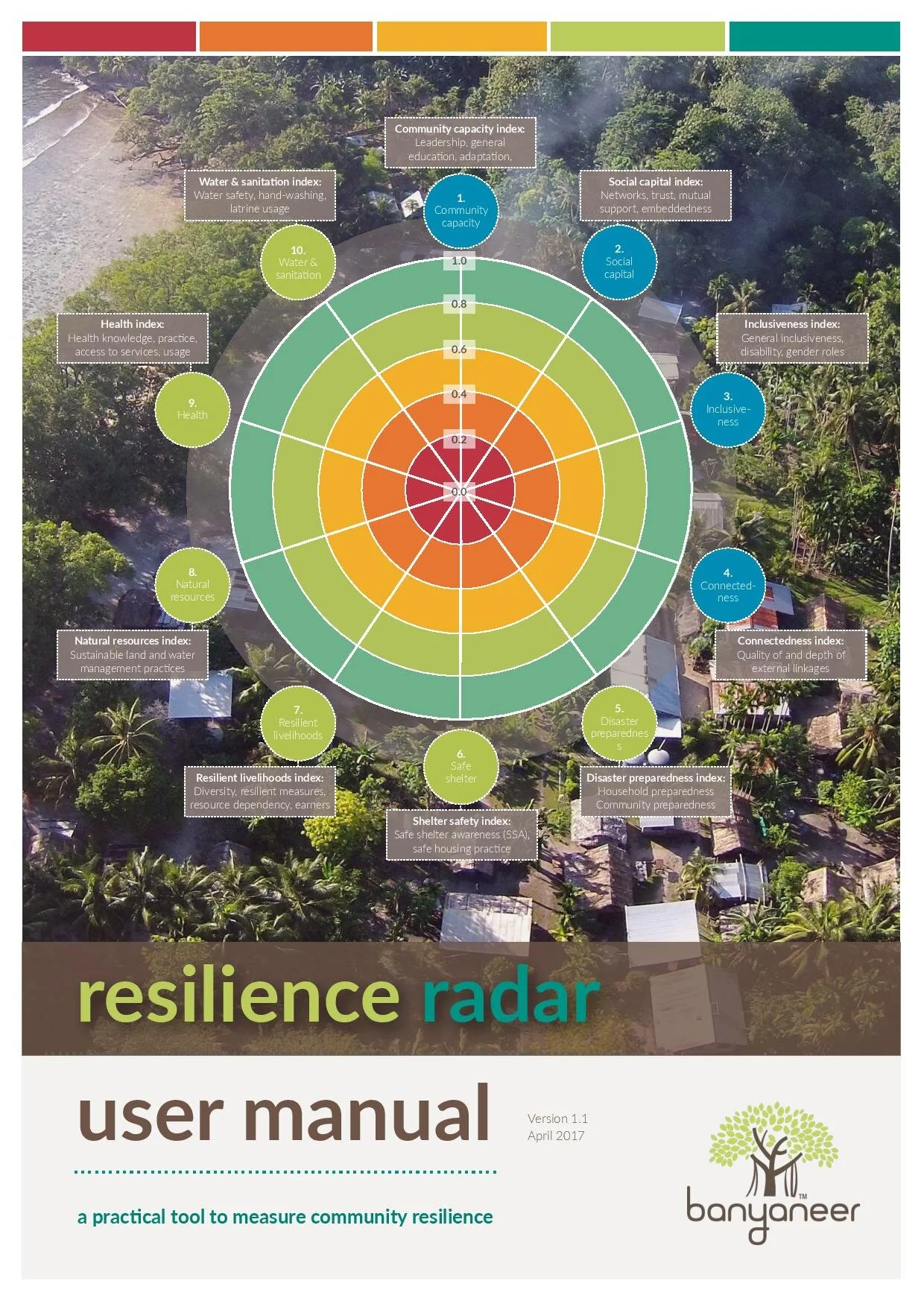
resilience radar
How do you measure resilience? At Banyaneer, we developed a practical tool that you can use as part of baseline surveys. You can download all files for free by clicking on the links below. If you’d like to learn more, consider taking part in our online training on resilience measurements. All resilience radar files are available for free below:
For an example as to how we applied the resilience radar in Bangladesh, see this report for Swiss Red Cross.
Reports
Since we started back in 2010, we have written more than 110 reports (evaluations, baseline studies, regional studies and impact research). Have a look at some of the reports our clients have published below. An overview on our reporting standards and a full list of older reports (up to 2016) is available here.
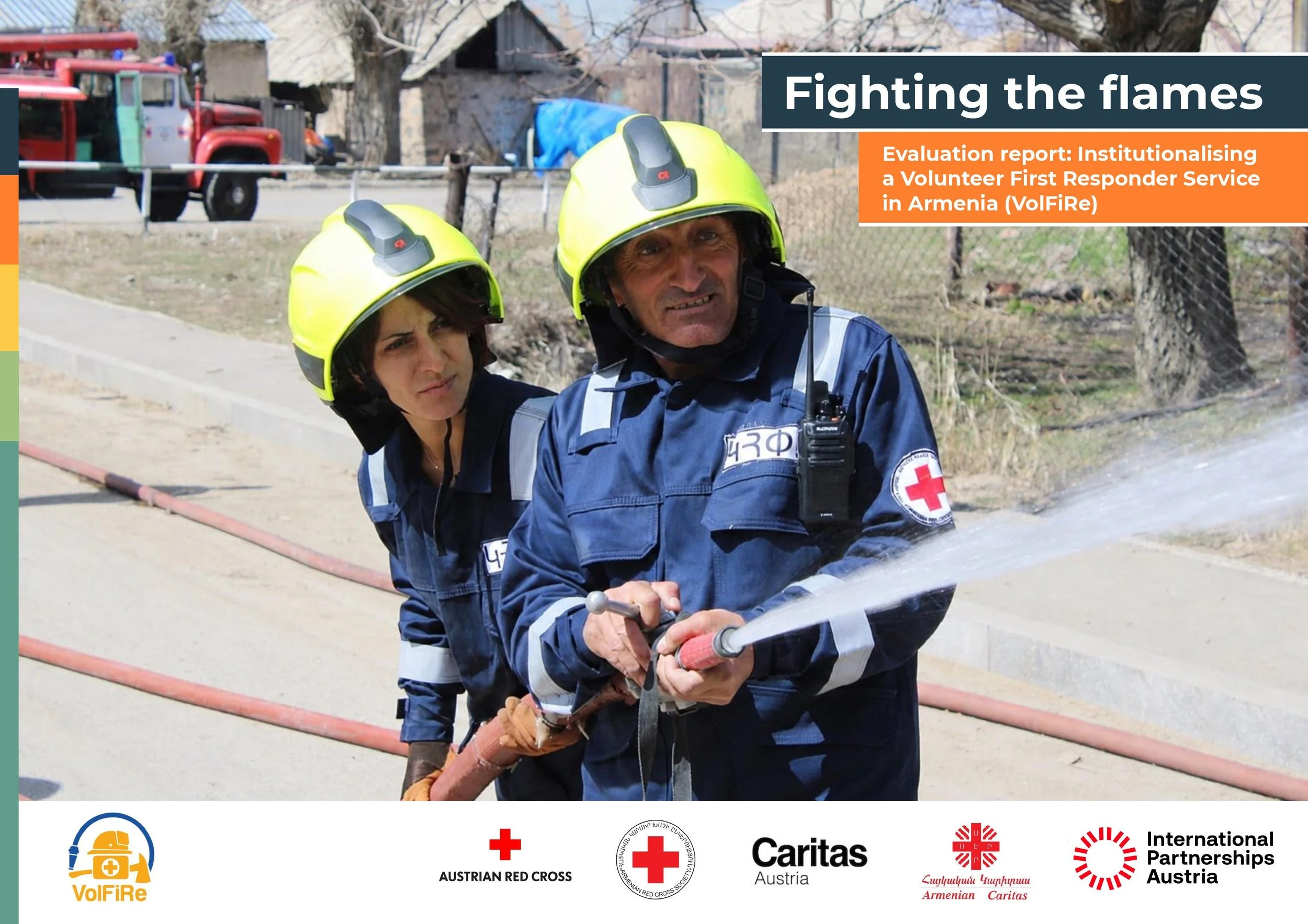
Armenia 2026, Austrian Red Cross
P. Bolte, A. Chilingaryan
This evaluation of a project in Armenia that established volunteer-based fire and rescue services has many lessons for other countries affected by increasing wildfire risk. A summary is available here.
2025, WWF Australia
P. Bolte
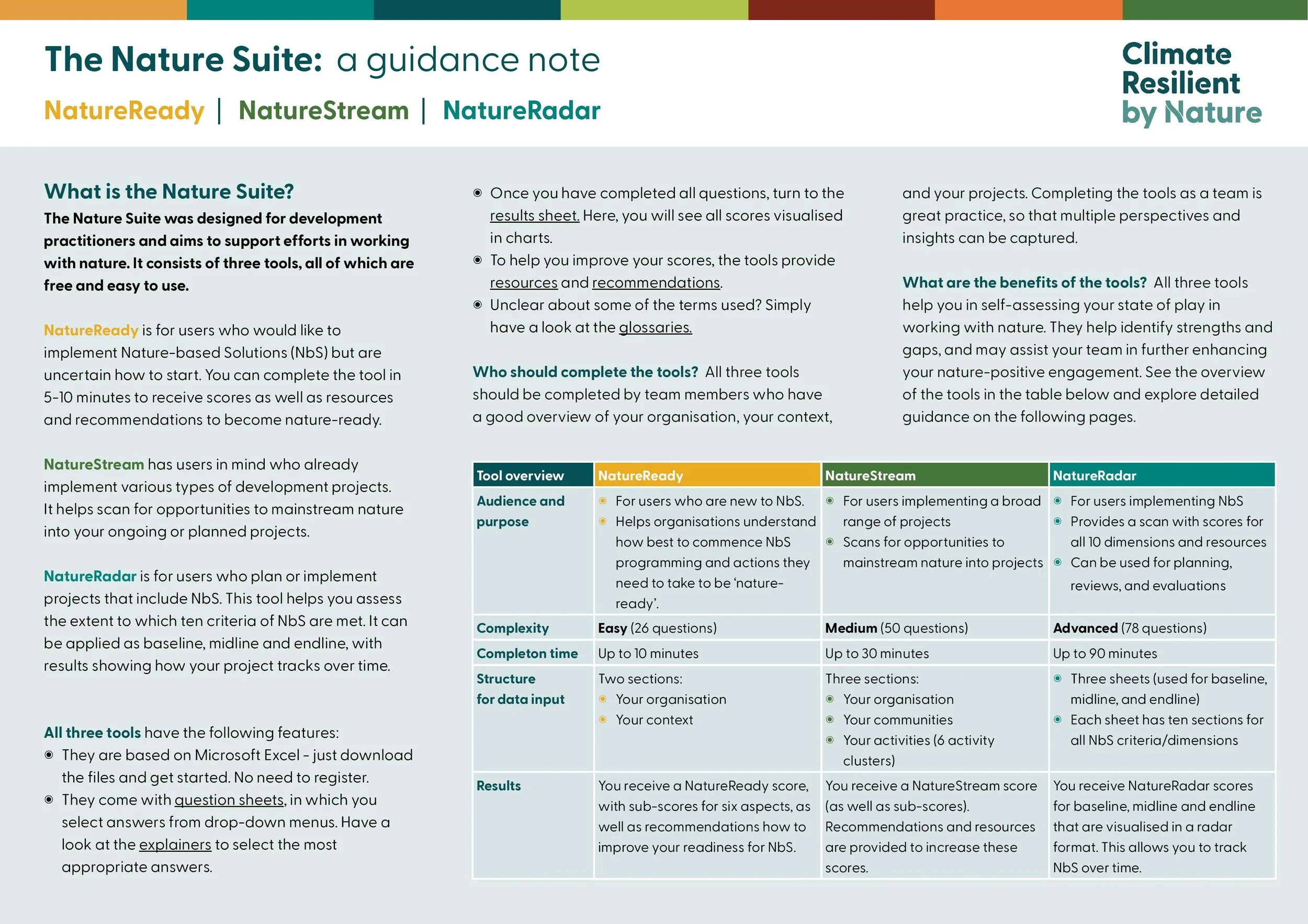
This toolkit includes three free self-assessment tools for working with nature, including the use of nature-based solutions (NbS).
2022, IFRC
P. Bolte, N. Ikkala-Nyman
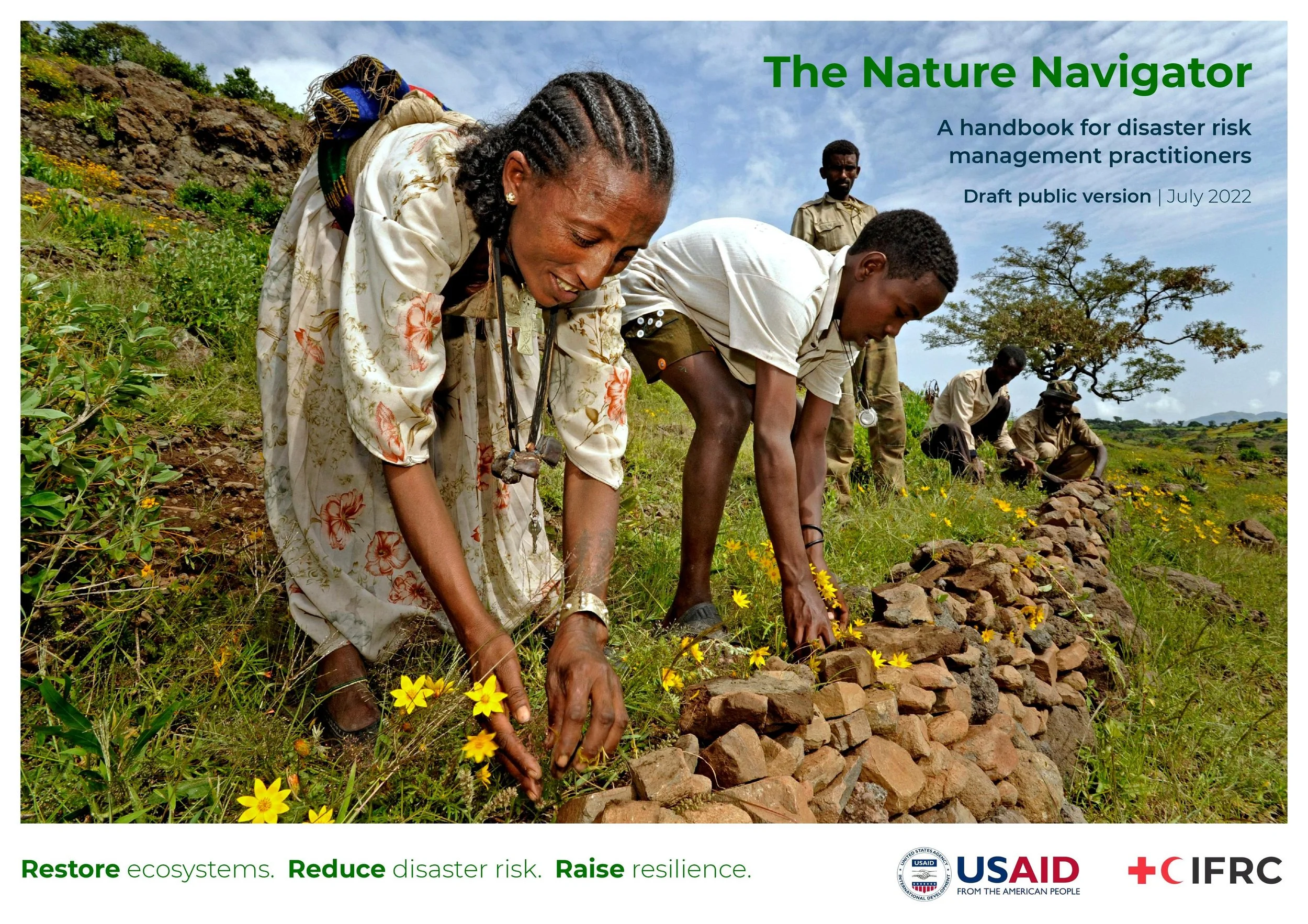
A guide to reduce disaster risk with nature, including with nature-based solutions (NbS). It features foundations, starter options and more advanced solutions, as well as a chapter on disaster response and recovery.
Bangladesh 2025, BDRCS
P. Bolte
‘Our scope for the urban scape’ outlines the vision of Bangladesh Red Crescent Society (BDRCS) to emerge as a stronger urban actor in Bangladesh over a timeline of five years (2026-2030).
Bangladesh 2024, Swiss Red Cross
P. Bolte
This evaluation of a resilience project is a powerful case study. With holistic programming and integral aspects to enhance the functions and connections of communities, the project contributed to strong advances in resilience. A summary available here.
Bangladesh 2024, Swiss Red Cross
P. Bolte
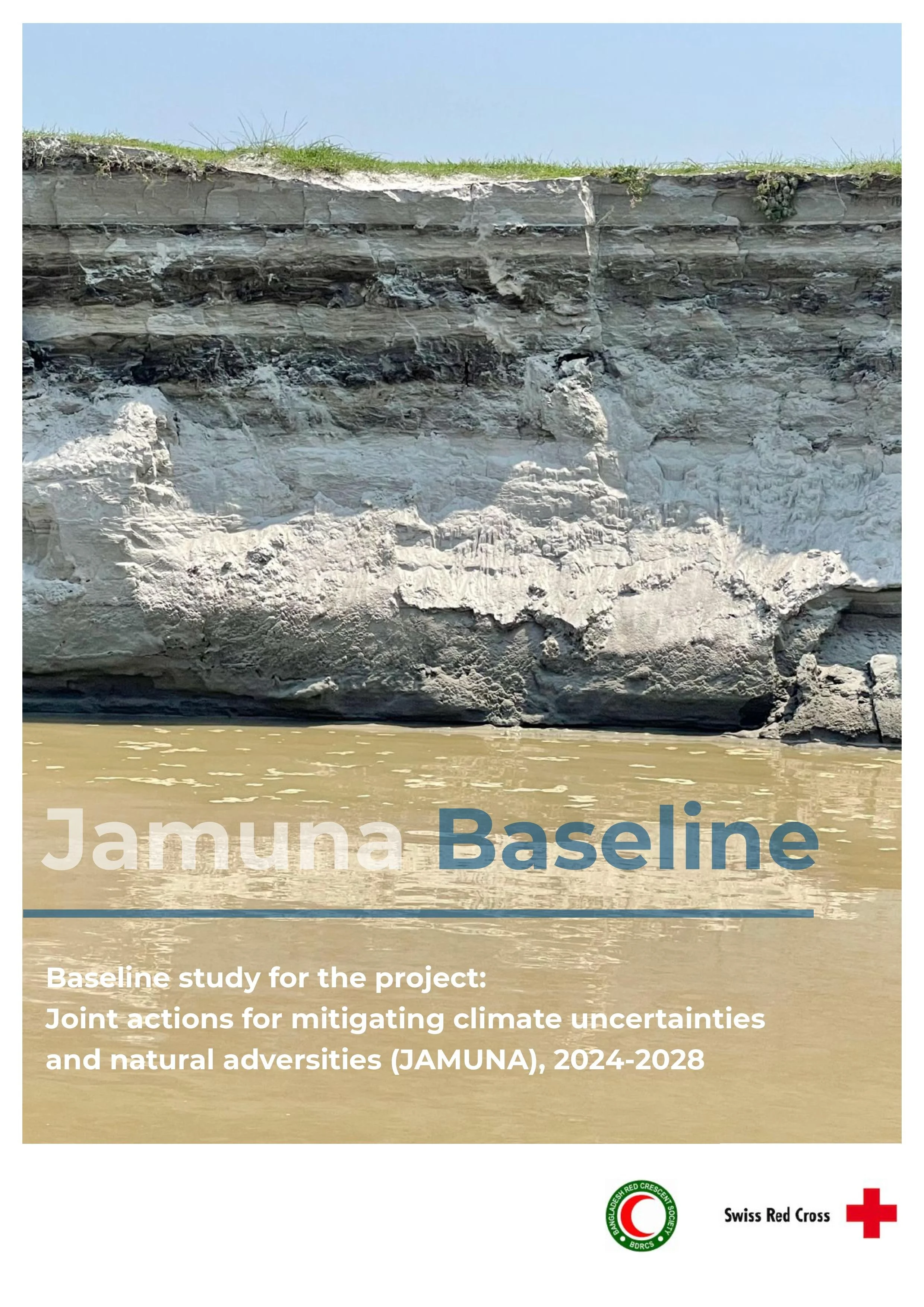
This baseline study illustrates extreme levels of vulnerability to climate stressors. Using the IFRC versions of the resilience radar (survey-based) and resilience star (discussion-based), the study identifies a resilience score of just 0.32 (range: min. 0.00 to max. 1.00).
2023, Danish Red Cross
P. Bolte, S. Marr, Su Myat Yin Chaw
This climate resilience study covers Afghanistan, Nepal, Bangladesh, and Myanmar. A summary is available here.
Bangladesh 2021, Swiss Red Cross
P. Bolte, N. Islam, M.F. Rahmadana
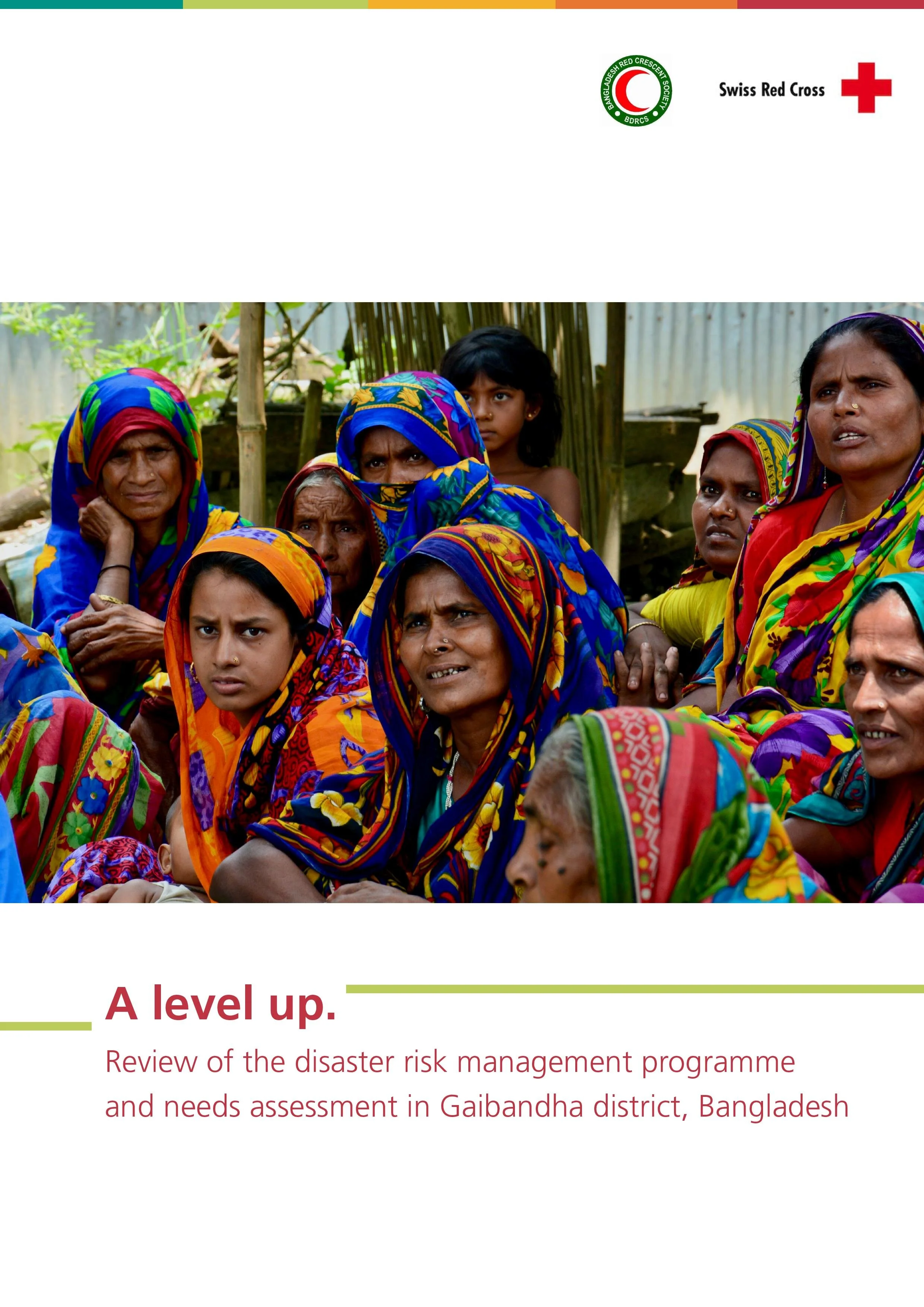
This evaluation of a four-year disaster risk management programme in Bangladesh’s north-western district of Gaibandha demonstrates that flood-prone communities moved ‘a level up’ in terms of greater resilience.
2021, The Nature Conservancy
P. Bolte, S. Moore
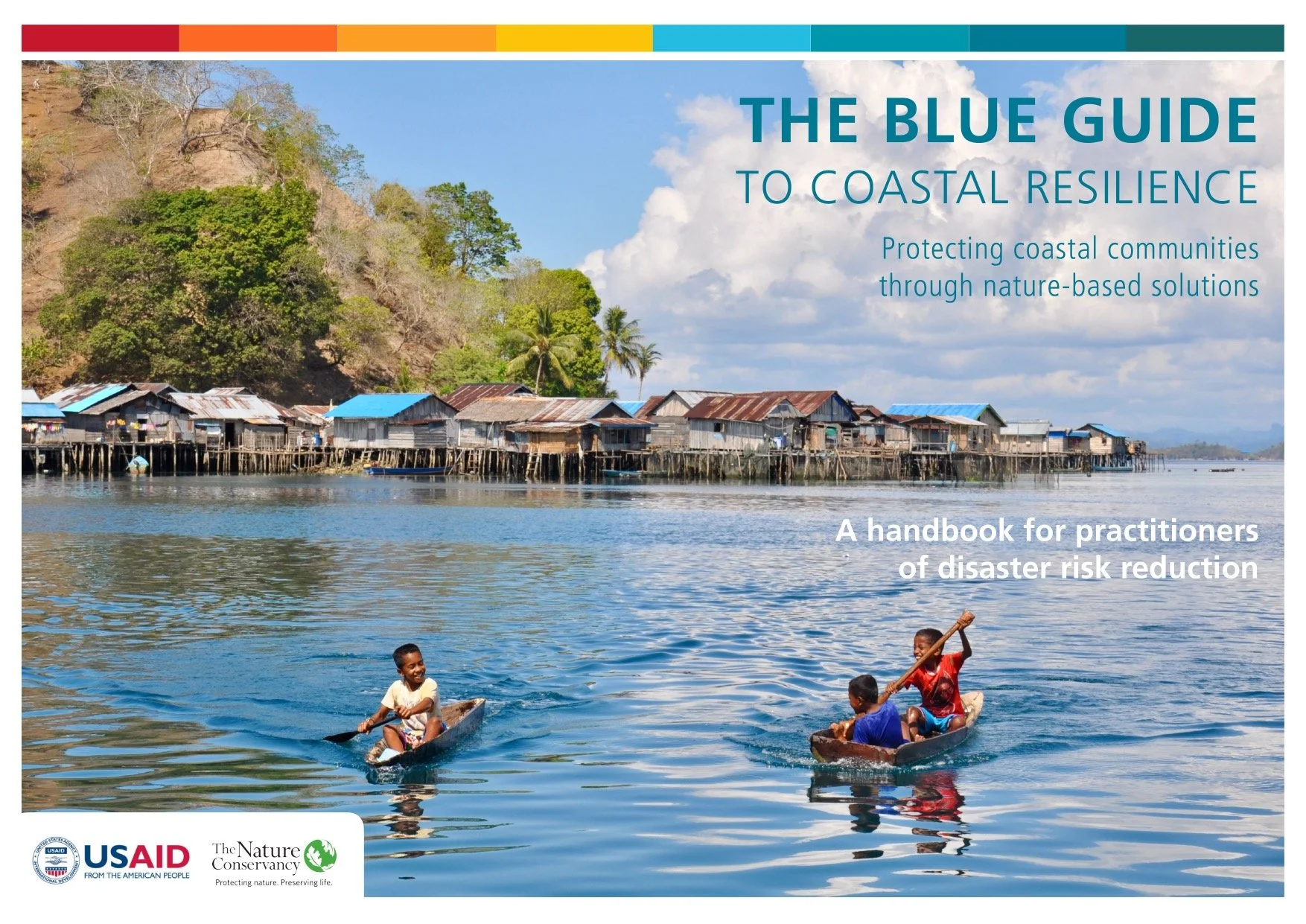
A step-by-step guide to using Nature-based solutions (NbS) for DRR in coastal areas, the Blue Guide also links to more detailed manuals for specific ecosystems.
2021, German Red Cross
P. Bolte
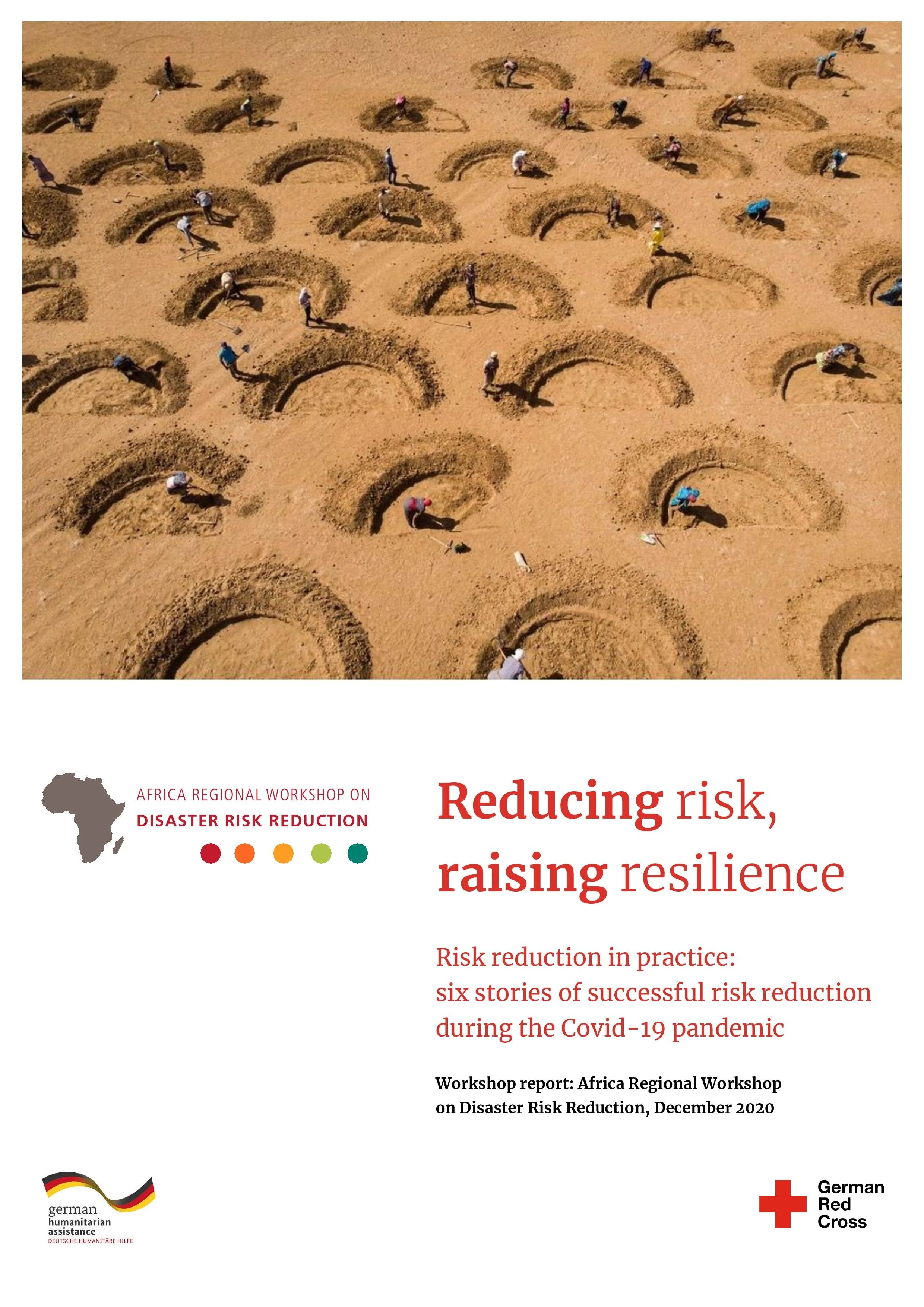
This report of the Africa Regional Workshop on Disaster Risk Reduction features six stories of successful risk reduction during the Covid-19 pandemic.
Nepal 2019, Danish Red Cross
R. Roots, P. Bolte
Disasters damage, destroy, kill. What difference does disaster risk reduction make? This study analyses the impact that various Red Cross interventions have generated.
Indonesia 2017, Oxfam
Samadhi Marr, Patrick Bolte
This evaluation includes a cost-benefit analysis of project efforts to raise the resilience of small businesses. The report highlights that the concept of SME resilience is worth spreading.
Georgia 2016, IFRC
P. Bolte
This cost-benefit analysis (CBA) goes beyond the benefits of mitigation (reduced hazard losses), showing that disaster risk management brings social, economic, and organizational co-benefits.
Myanmar 2017, Norwegian Refugee Council
S. Marr, Su Myat Yin Chaw, P. Bolte
This evaluation of an infrastructure rehabilitation project demonstrates many positive outcomes and identifies lessons for future programming in similarly conflict-sensitive areas. A 4-page summary is available here.
Asia 2015, Humanity & Inclusion
D. Sitompul, S. Marr, P. Bolte
Engage, engage, extend: on the basis of good practice cases, the report recommends key principles for full integration of persons with disabilities in disaster risk management programmes.
Myanmar 2017, Malteser International
S. Marr, Su Myat Yin Chaw, P. Bolte
How does a disaster risk reduction (DRR) project make a difference to the lives of the people in its target communities? Eleven villagers share their surprising stories.
Papua New Guinea 2015, CARE Australia
P. Bolte, B. Orlowsky
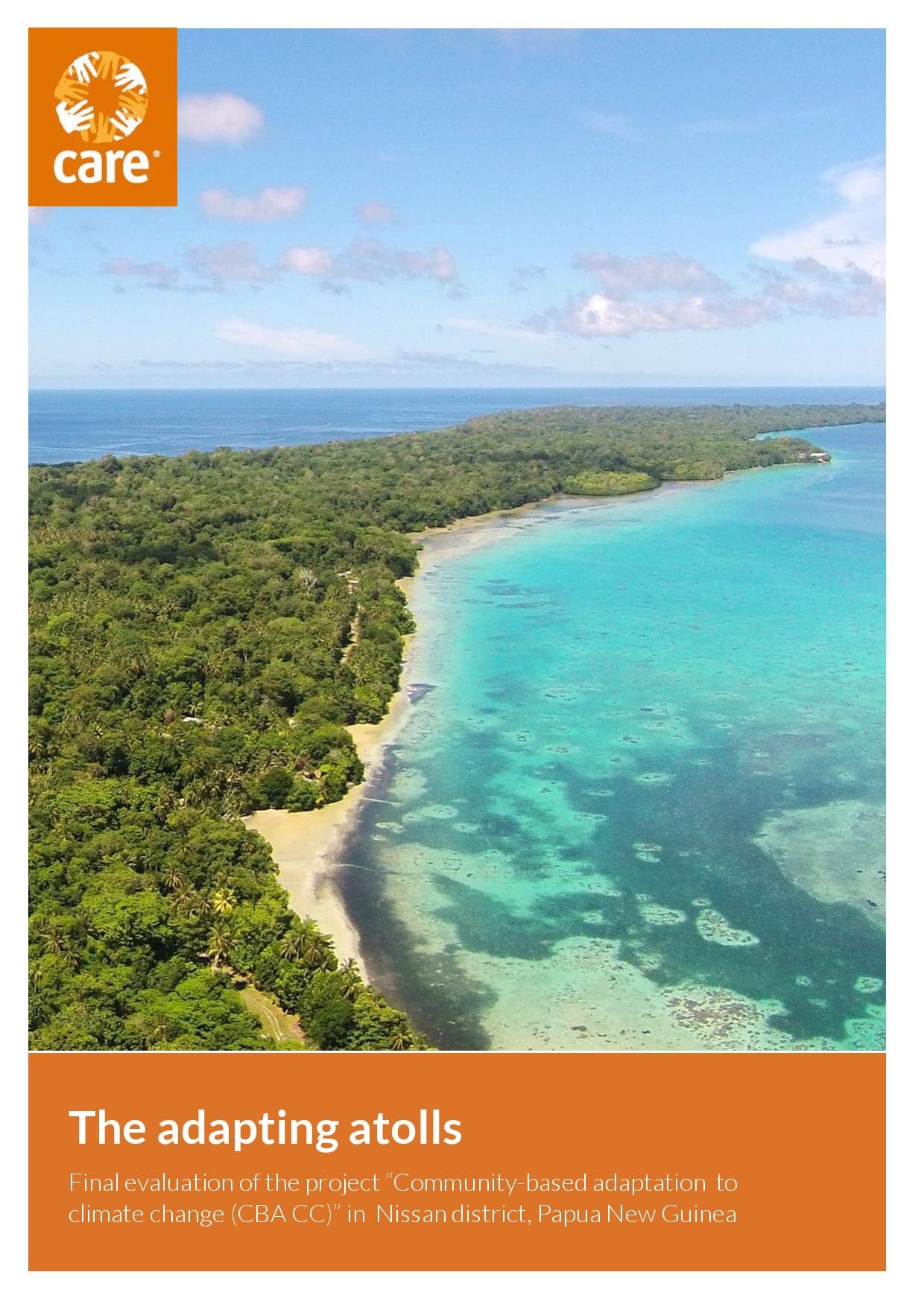
This study looks at a remote atoll, where ‘core groups’ became very innovative promoters of climate-smart agricultural techniques - a sound approach for similarly remote areas.
Timor-Leste 2015, CARE Australia
D. Eucker, P. Bolte, B. Orlowsky
This evaluation of community-based adaptation shows how livelihoods were adapted to greater variability of weather patterns, and how water management was enhanced across two watersheds.
Nepal, Myanmar, China 2012, IFRC
P. Bolte, D. Eucker, M.F. Rahmadana
Looking at nine urban and rural communities and reviewing relevant literature, the study illustrates how social capital (e.g. networks, collective action) can be built upon when reinforcing resilience.
Bangladesh 2012, IFRC
D. Eucker, P. Bolte, M.F. Rahmadana
Comparing target and control communities, the study finds that community-based risk reduction has been very effective. It suggests that livelihood support shall have greater focus on adaptive capacity.
Myanmar 2011, IFRC
F. Barnaby, P. Bolte
The study analyses the post-Nargis recovery efforts along the lines of OECD/DAC criteria. Its recommendations informed the transition to ‘regular’ Red Cross work, and are useful for similar future emergencies.
Vietnam 2011, IFRC
F. Barnaby, M.F. Rahmadana, P. Bolte
An impact and cost-benefit analysis of a 17-year afforestation project (mangroves, casuarina, bamboo) at the Red River Delta in which we quantified protective, economic and environmental benefits.
Film
Myanmar
Storm watchers
A film that we helped prepare on a DRR project in Rakhine State.
Myanmar is the world's second most vulnerable country to extreme weather events. Every year, coastal communities in Rakhine State face cyclones and disastrous flooding. Between 2013-2018, CERA and Malteser International supported vulnerable communities to prepare for natural hazards. This film shows the benefits of Disaster Risk Reduction (DRR) activities and climate change adaptation from the perspectives of beneficiaries. Through three stories, Rakhine villagers give a first-hand account on the most significant changes brought to their lives. The stories reveal the importance of being prepared and empowered, of working together, of greater inclusion and of improved livelihoods.
Banyaneer’s Samadhi Marr and Su Myat Yin Chaw collected these stories and developed the film concept. Storm watchers was produced in collaboration with Yangon Film Services.